
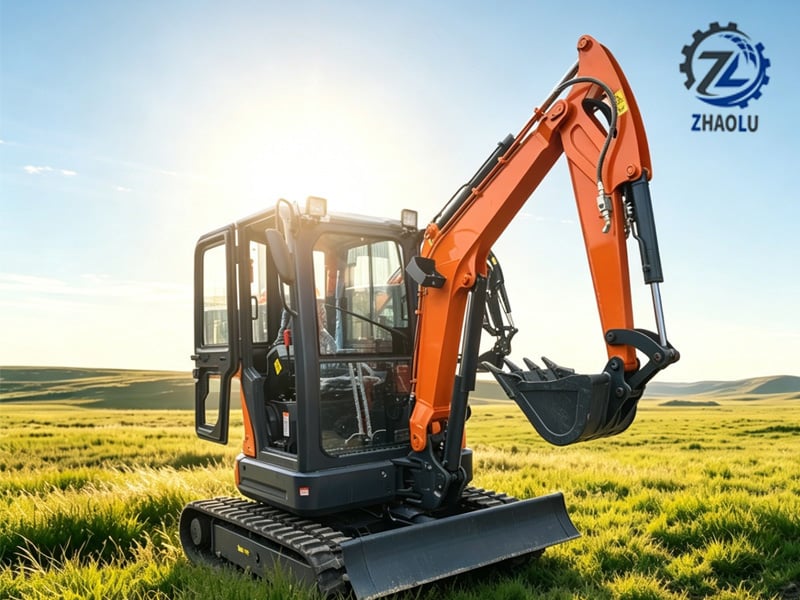
Les mini-pelles constituent des équipements essentiels pour les entrepreneurs en bâtiment, les agriculteurs, les paysagistes et les sociétés de location. De nombreux utilisateurs sont confrontés à des pannes fréquentes, à des frais de réparation élevés et à une durée de vie réduite de leurs machines, simplement parce qu'elles ne font pas l'objet d'un entretien régulier. Un entretien quotidien et périodique adéquat est le moyen le plus efficace de préserver votre mini-pelle assurer une exploitation stable, améliorer l'efficacité opérationnelle et réduire considérablement les coûts d'exploitation à long terme.
Ce professionnel mini-pelle Ce guide d'entretien couvre l'inspection quotidienne, l'entretien programmé toutes les heures, l'entretien saisonnier et les conseils pour le stockage à long terme. Il s'adresse à tous les utilisateurs de pelles compactes de 1 à 6 tonnes, ainsi qu'aux débutants.
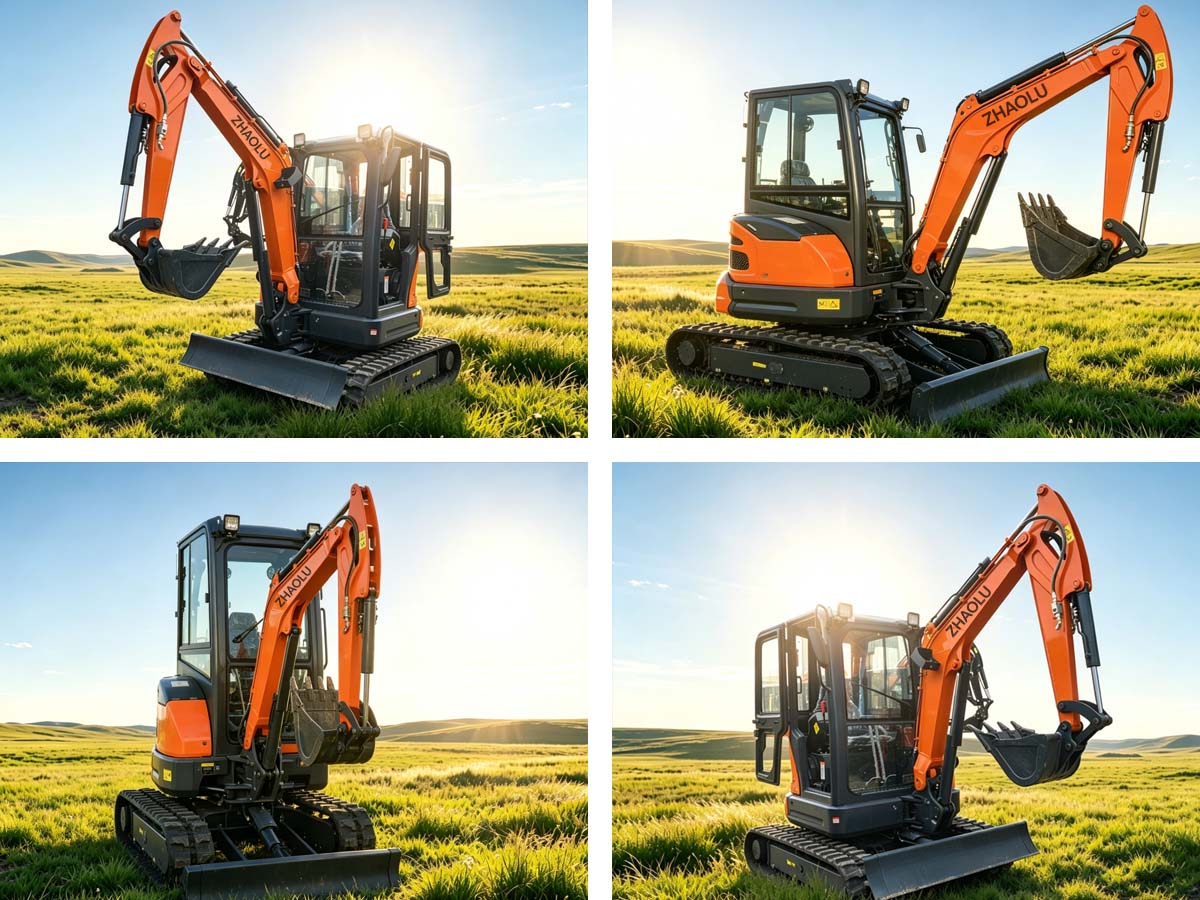
1. Inspection quotidienne avant mise en service (tous les jours / toutes les 10 heures de travail)
Une simple vérification quotidienne de 5 à 10 minutes permet d'éviter plus de 80% de pannes soudaines. Avant de mettre la machine en marche chaque jour, effectuez les contrôles de routine suivants :
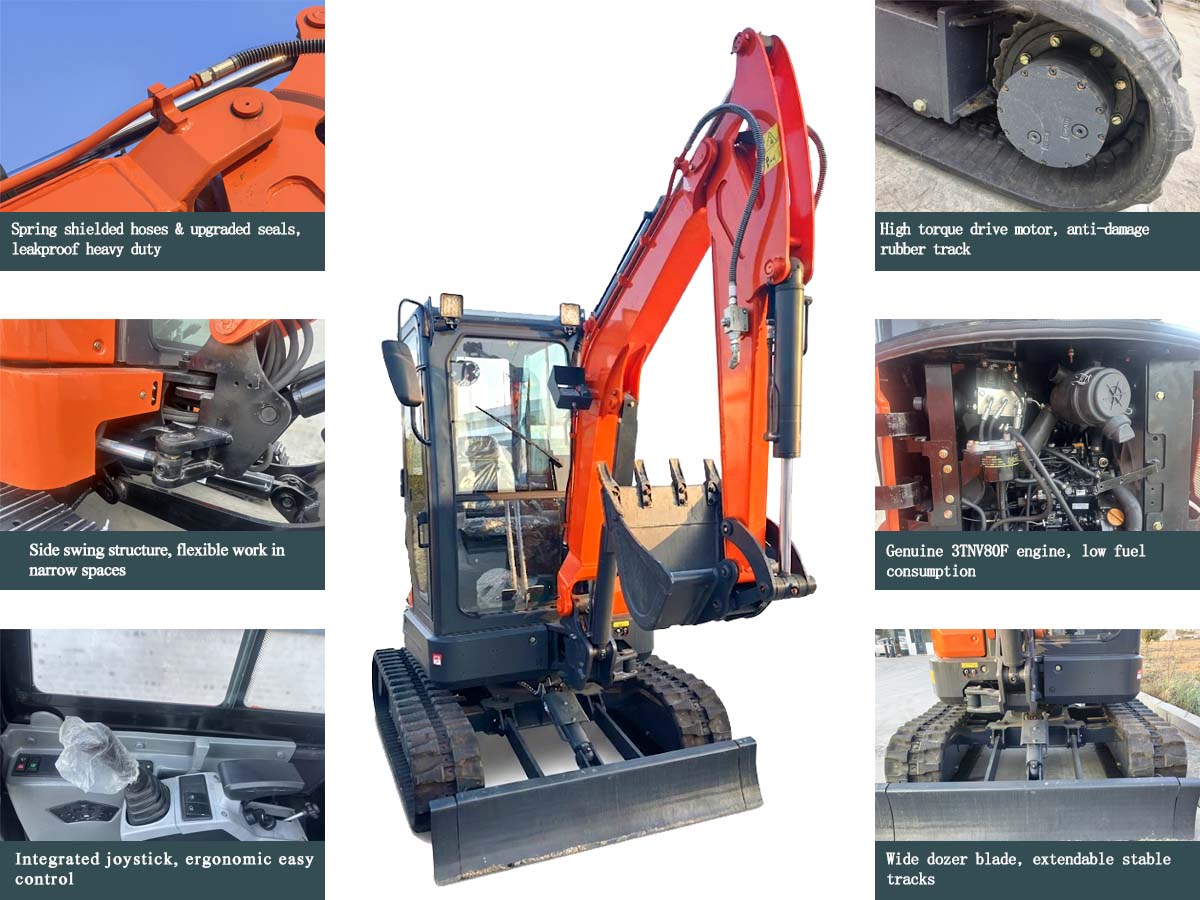
Vérification du niveau de liquide Vérifiez les niveaux d'huile moteur, d'huile hydraulique, de liquide de refroidissement et de carburant. Assurez-vous que tous les niveaux se situent entre les repères de la jauge. Des niveaux insuffisants peuvent entraîner une surchauffe du moteur, l'usure de la pompe hydraulique et une perte de pression dans le système. Ne démarrez jamais la machine si l'un des niveaux est insuffisant.
Inspection du système hydraulique Vérifiez l'ensemble des flexibles hydrauliques, des vérins, des joints et des raccords de tuyauterie afin de détecter d'éventuelles fuites d'huile, fissures, traces d'usure ou déformations. Les pièces hydrauliques endommagées doivent être remplacées sans délai afin d'éviter toute chute de pression soudaine pendant le fonctionnement.
Contrôle du châssis et des chenilles Nettoyez la boue, les cailloux et les débris collés sur les chenilles, les rouleaux et les roues de renvoi. Vérifiez la tension des chenilles pour éviter tout déraillement ou une usure excessive. Des chenilles trop lâches ou trop tendues nuiront considérablement à la stabilité de marche et à la durée de vie de l'engin.
Lubrification des pièces essentielles Graissez tous les points de pivot, notamment les axes de la flèche, les axes des bras, les articulations du godet et les paliers de rotation. Une lubrification adéquate réduit les frottements métalliques et prévient une usure excessive ainsi que les bruits anormaux.
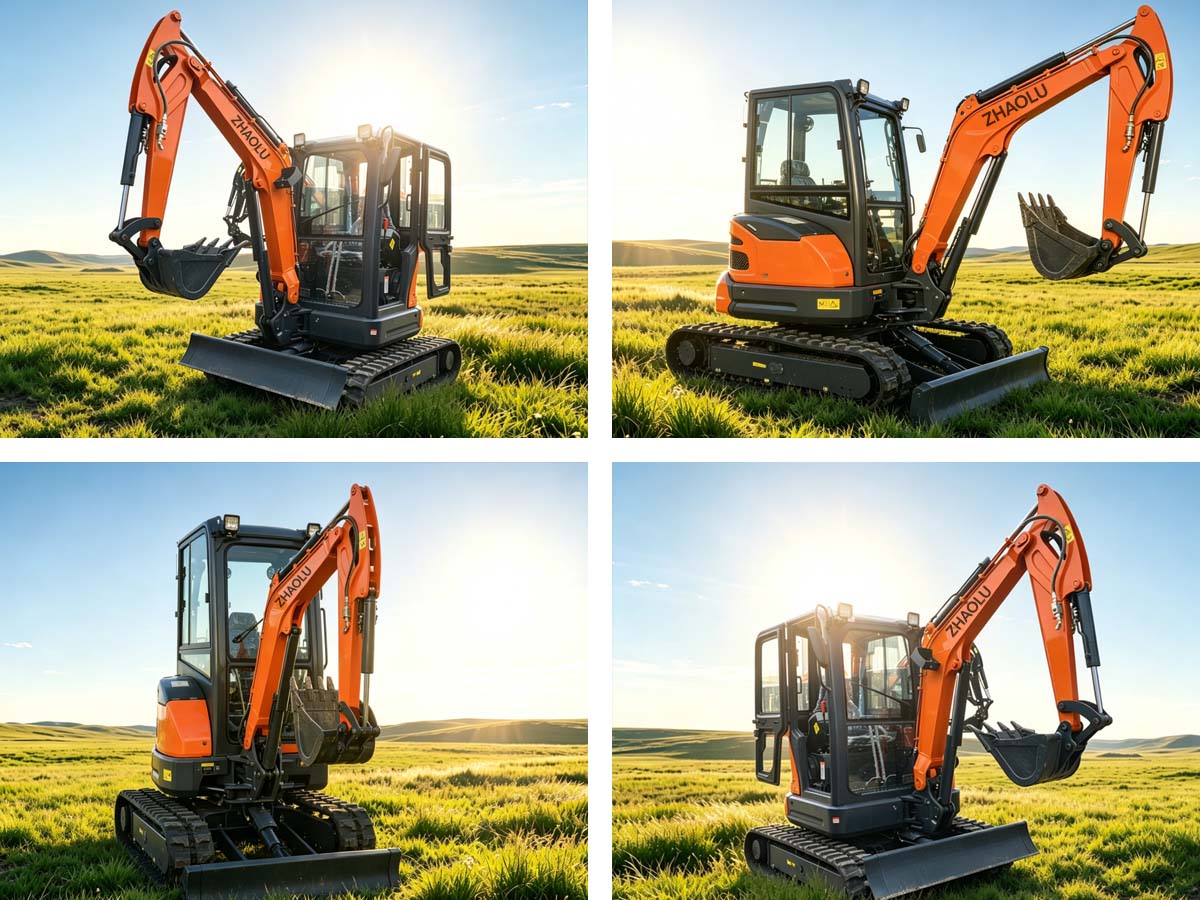
2. Maintenance programmée par tranche horaire
Les différents composants ont des cycles d'usure variés. Respectez scrupuleusement les cycles d'entretien basés sur le nombre d'heures de fonctionnement afin de maintenir la machine en parfait état.
2.1 Entretien tous les 50 à 100 heures
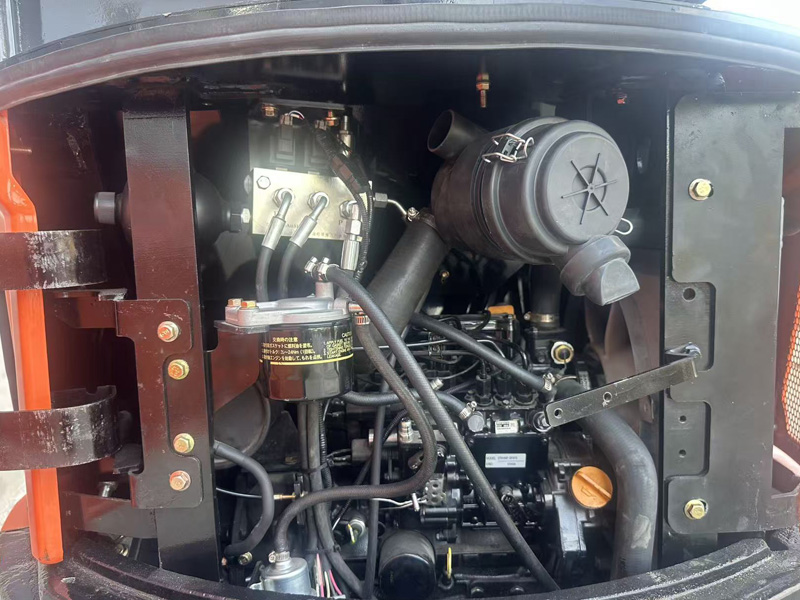
Nettoyez le filtre à air pour garantir une alimentation en air optimale du moteur. Vérifiez la tension de la batterie et le serrage des connexions électriques. Inspectez l'usure des dents et des lames de la benne et resserrez tous les boulons desserrés sur l'ensemble de la carrosserie.
2.2 Entretien aux 250 heures
Remplacer l'huile moteur et le filtre à huile moteur. Nettoyer soigneusement le radiateur et les ailettes de refroidissement pour éviter toute surchauffe du moteur. Réajuster la tension des chenilles et vérifier le bon fonctionnement du roulement d'orientation.
2.3 Entretien des 500 heures
Remplacer le filtre à air, le filtre à carburant et le filtre de retour d'huile hydraulique. Vérifier la pression du système hydraulique et tester la souplesse des mouvements de la flèche, du bras et du godet. Vérifier tous les dispositifs d'avertissement de sécurité et les voyants lumineux.
2.4 Entretien entre 1 000 et 2 000 heures
Remplacer entièrement l'huile hydraulique et le liquide de refroidissement. Procéder à une inspection complète des pompes hydrauliques, des vannes principales et des composants internes du moteur. Il s'agit d'une révision complète visant à rétablir les performances de la machine à un niveau proche des normes d'usine.
3. Conseils d'entretien saisonnier
3.1 Entretien en période de forte chaleur estivale
Les températures élevées peuvent facilement entraîner une surchauffe du moteur et une défaillance du système hydraulique due à une pression excessive. Nettoyez régulièrement la poussière accumulée sur le radiateur, veillez à une bonne ventilation et évitez de faire fonctionner la machine à pleine charge pendant de longues périodes. Vérifiez régulièrement la qualité du liquide de refroidissement et remplacez-le à temps s'il est détérioré.
3.2 Entretien hivernal par basses températures
Utilisez un liquide de refroidissement antigel et une huile moteur pour basses températures adaptée au climat local. Faites chauffer la machine pendant 3 à 5 minutes avant de commencer à l'utiliser afin de protéger le moteur et le système hydraulique. Évitez les efforts brusques à basse température.
4. Entretien en cas de stockage de longue durée (plus de 3 jours)
De nombreuses machines subissent des dommages lors d'un stockage de longue durée plutôt que pendant leur utilisation. Si vous cessez d'utiliser la mini-pelle pendant plusieurs semaines ou plusieurs mois, veuillez suivre les étapes suivantes :
Nettoyez soigneusement l'ensemble de la machine pour éliminer la boue et les saletés corrosives. Abaissez complètement le godet jusqu'au sol, rétractez le bras et maintenez le joystick en position neutre. Débranchez la batterie pour éviter toute perte de charge. Recouvrez la machine d'une bâche imperméable et anti-poussière, puis entreposez-la dans un endroit sec et aéré.
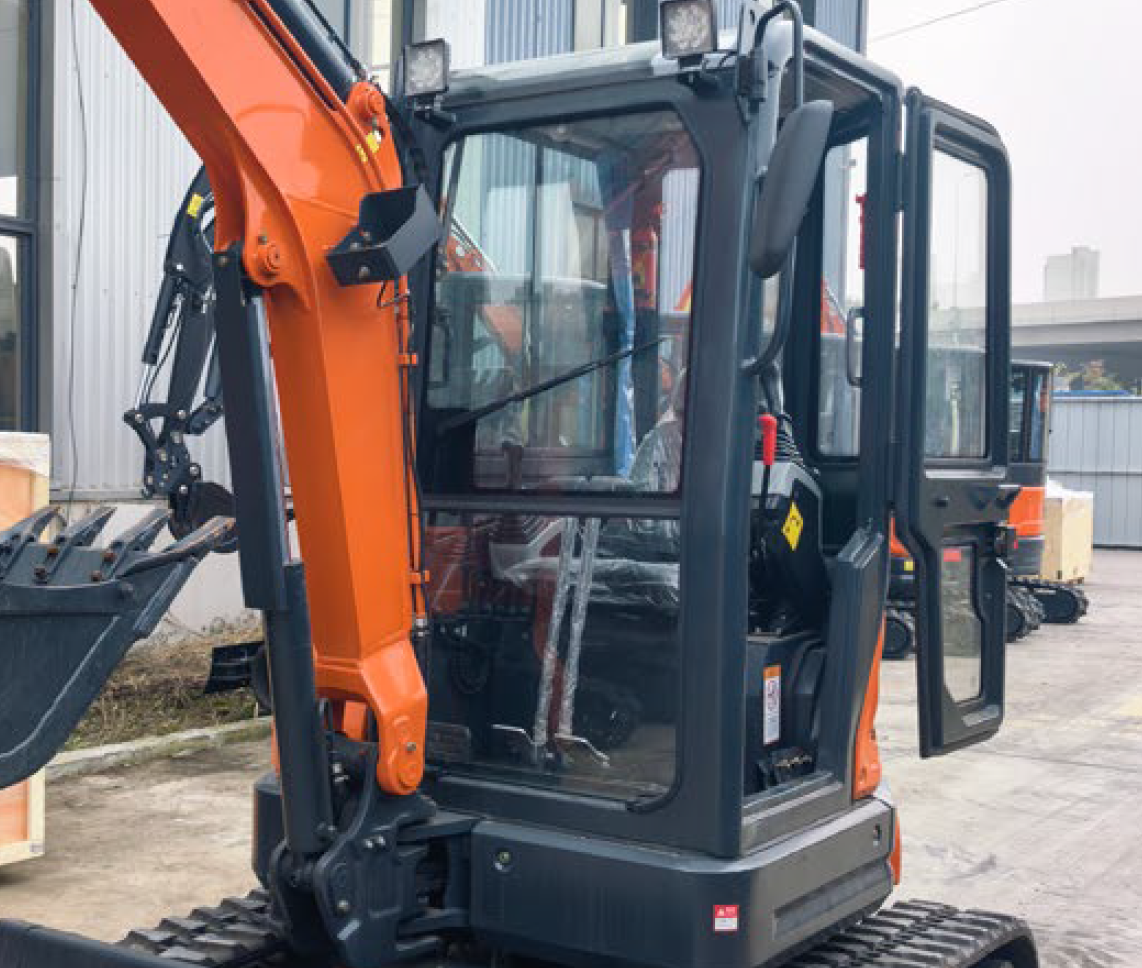
5. Les erreurs courantes qui réduisent la durée de vie des pelles mécaniques
- Fonctionnement avec un niveau d'huile ou de liquide de refroidissement insuffisant
- Le fait de ne pas effectuer la lubrification quotidienne entraîne une usure importante des axes
- Surcharge et creusage brutal
- Conduite avec un filtre à air encrassé, entraînant une perte de puissance du moteur
- Une exposition prolongée à la pluie, à l'humidité et à la poussière sans protection
6. Foire aux questions sur l'entretien des mini-pelles
6.1 À quelle fréquence dois-je graisser une mini-pelle ?
Les pièces mobiles essentielles doivent être graissées tous les jours ou toutes les 10 heures de service. Une lubrification fréquente est le moyen le plus économique et le plus efficace de réduire l'usure.
6.2 Pourquoi la mini-pelle surchauffe-t-elle facilement ?
Les principales causes sont un radiateur obstrué, des ailettes de refroidissement encrassées, un niveau insuffisant de liquide de refroidissement, un fonctionnement prolongé à pleine charge ou une huile hydraulique usée.
6.3 Un entretien régulier peut-il réduire les coûts de réparation ?
Oui. Un entretien périodique régulier peut réduire le taux de défaillance de plus de 80 % et prolonger considérablement la durée de vie de la machine, ce qui permet de réaliser d'importantes économies à long terme en termes de coûts de réparation et de remplacement.
Conclusion finale
La durée de vie et les performances d'une mini-pelle dépendent en grande partie de l'entretien quotidien, et pas seulement de la qualité d'origine du fabricant. Un entretien scientifique et standardisé permet de garantir la stabilité, l'efficacité et la longévité de votre machine, d'améliorer considérablement le retour sur investissement et d'éviter les pertes liées à des temps d'arrêt inutiles.
Si vous avez des questions techniques concernant le fonctionnement, l'entretien ou le choix de la configuration d'une mini-pelle, n'hésitez pas à nous contacter pour bénéficier d'une assistance technique professionnelle.