
En el competitivo sector de la construcción y el paisajismo, las excavadoras compactas se han convertido en máquinas indispensables para la construcción a pequeña escala, la renovación de viviendas, el paisajismo de jardines y los proyectos municipales urbanos. Cuando se trata de excavadoras compactas fiables, eficientes y duraderas, hay un componente fundamental que domina el mercado: el Motor Kubota. Como fabricante de sistemas de propulsión de renombre mundial, los motores diésel de Kubota, diseñados específicamente para este fin, están optimizados exclusivamente para maquinaria de construcción de pequeño tamaño, lo que los convierte en el referente en cuanto a rendimiento, eficiencia en el consumo de combustible y fiabilidad a largo plazo de las excavadoras compactas modernas.
A diferencia de los motores industriales genéricos adaptados a la maquinaria de construcción, cada motor Kubota se diseña desde cero para adaptarse a las condiciones de trabajo de las excavadoras compactas. Este diseño específico elimina las pérdidas de rendimiento y los desajustes estructurales propios de los bloques de motor grandes modificados, lo que proporciona una potencia estable, un bajo consumo de combustible, pocas vibraciones y unos costes de mantenimiento mínimos para la maquinaria de excavación mini y compacta. Para los propietarios de maquinaria y las empresas de alquiler, elegir una excavadora compacta con un motor Kubota original significa optar por una mayor productividad, menores costes de explotación y una vida útil más larga.
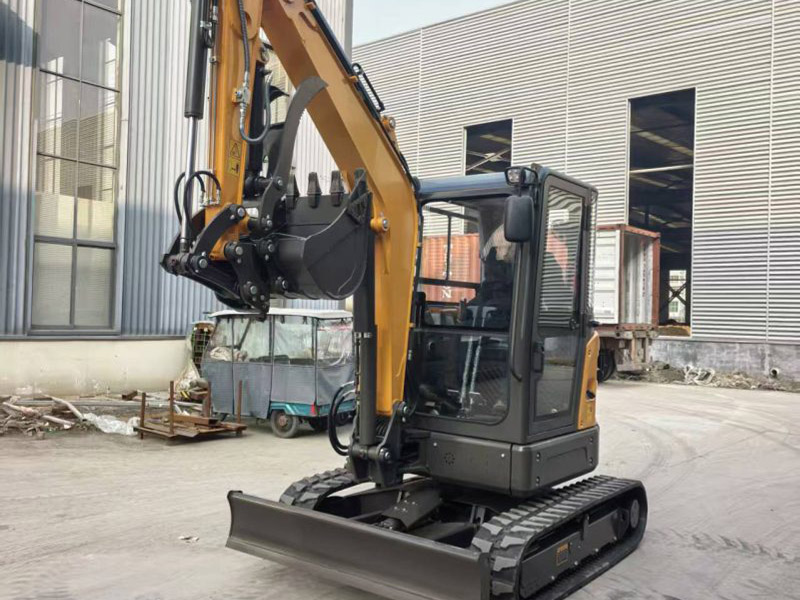
1. Ventajas principales de Motor Kubota para excavadoras compactas
1.1 Potencia de salida del motor de la excavadora compacta Kubota, adaptada a las condiciones de trabajo de las excavadoras compactas
Las excavadoras compactas dan prioridad a la flexibilidad de funcionamiento y al par constante a bajas revoluciones, en lugar de a una potencia extrema a altas revoluciones, y los motores Kubota se adaptan perfectamente a esta exigencia. Equipados con el exclusivo sistema de combustión de tres vórtices (TVCS), los motores de las series D722, D902 y D1703 de Kubota alcanzan un elevado par motor a bajas revoluciones. Este diseño permite a las excavadoras compactas proporcionar una fuerza de excavación instantánea y una gran capacidad de penetración de la cuchara durante la excavación de cimientos, la excavación de zanjas y la manipulación de materiales, evitando el retraso en la respuesta que suele caracterizar a los motores convencionales.
Ya sea en obras urbanas con poco espacio o en entornos de trabajo rurales accidentados, las excavadoras compactas con motor Kubota mantienen una potencia estable sin que el motor se cale con frecuencia ni se produzca una pérdida de potencia. Modelos como las microexcavadoras Kubota U10-5 y K008-5, equipadas con motores D722, ofrecen una combinación equilibrada de potencia y flexibilidad, mientras que las excavadoras compactas de tamaño medio, como la KX080-5, incorporan motores Kubota que cumplen con la normativa Tier 4/Fase V para satisfacer las necesidades de un funcionamiento ligero en condiciones de trabajo intensivo.
1.2 Eficiencia en el consumo de combustible líder en el sector y bajas emisiones
El coste del combustible es el mayor gasto operativo diario para los usuarios de excavadoras compactas, y los motores Kubota destacan por su optimización en el ahorro energético. La tecnología de combustión por inyección directa de precisión minimiza el desperdicio de combustible, lo que permite reducir el consumo sin perder potencia en comparación con motores similares de la misma cilindrada. En situaciones de construcción prolongada y de alquiler de maquinaria, esta ventaja se traduce en un ahorro sustancial de costes a largo plazo.
Además de su eficiencia en el consumo de combustible, todos los motores de las últimas excavadoras compactas de Kubota cumplen plenamente con las normas de emisiones EPA Tier 4 y EU Stage V. La estructura de combustión optimizada reduce las emisiones de gases de escape, el ruido y las vibraciones, lo que permite que la maquinaria funcione sin problemas en zonas urbanas con restricciones medioambientales, zonas residenciales y proyectos de construcción sostenible. El diseño de bajo nivel de ruido también mejora la comodidad del operador y cumple con la normativa medioambiental vigente en el sector de la construcción.
1.3 Mantenimiento mínimo y durabilidad excepcional
La maquinaria de construcción suele funcionar en entornos polvorientos, embarrados y sometidos a cargas elevadas, lo que impone requisitos muy estrictos en cuanto a la durabilidad del motor. Los motores Kubota incorporan piezas estructurales integrales de alta resistencia y componentes básicos anticorrosión y antidesgaste, y se someten a rigurosas pruebas de fábrica para adaptarse a las duras condiciones de la construcción. Muchos de los modelos principales están equipados con sistemas de prefiltro que retienen eficazmente el polvo y las impurezas, protegiendo así al motor de la abrasión en entornos de trabajo extremos.
Por su parte, Kubota da prioridad a la facilidad de mantenimiento en el diseño de la estructura del motor. Las piezas fundamentales para el mantenimiento rutinario, como los filtros de aire, los filtros de combustible, los separadores de agua y los motores de arranque, están dispuestas de forma centralizada y son de fácil acceso. Los operadores pueden realizar la inspección y el mantenimiento diarios con solo levantar el asiento o abrir el panel lateral, lo que reduce considerablemente el tiempo de mantenimiento y las pérdidas por tiempo de inactividad. Además, esta estructura sencilla y fiable reduce las tasas de averías a largo plazo y los costes de sustitución de los accesorios.
1.4 Gran compatibilidad y versatilidad de adaptación
Los motores Kubota cuentan con un diseño estandarizado y modular, lo que permite una integración perfecta con la mayoría de los chasis y sistemas hidráulicos de las excavadoras compactas más habituales del mercado. En combinación con el sistema de control de caudal proporcional de las excavadoras compactas, las unidades de potencia de Kubota pueden accionar de forma estable diversos implementos auxiliares, como martillos rompedores, barrenas y pinzas. Esta gran compatibilidad maximiza la versatilidad de las excavadoras compactas, lo que permite que una sola máquina satisfaga múltiples necesidades de construcción y mejora la utilización global de la maquinaria.
2. Por qué las excavadoras compactas con motor Kubota se han ganado la confianza del mercado
En el mercado mundial de excavadoras compactas, las máquinas equipadas con motores originales de Kubota siempre ocupan la mayor cuota de mercado. La razón fundamental radica en las décadas de experiencia profesional de Kubota en sistemas de propulsión para maquinaria de ingeniería de pequeña cilindrada. A diferencia de los motores de uso general, los motores de ingeniería de Kubota se centran en las características de funcionamiento de las excavadoras compactas —baja velocidad, alta carga y arranques y paradas frecuentes—, lo que permite una optimización a medida en cuanto a la adaptación de la potencia, la disipación del calor y el rendimiento antifatiga.
Para los contratistas autónomos, los equipos de ingeniería y las empresas de alquiler de maquinaria, las excavadoras compactas con motor Kubota ofrecen tres ventajas insustituibles: su funcionamiento diario estable reduce los retrasos en las obras; los bajos costes de combustible y mantenimiento mejoran los márgenes de beneficio; y su gran durabilidad prolonga la vida útil de la maquinaria y su valor residual. Tanto si se utilizan para proyectos a corto plazo como para operaciones de alquiler a largo plazo, son la opción más rentable en el ámbito de la maquinaria de construcción de pequeño tamaño.
3. Modelos habituales de motores Kubota para excavadoras compactas
Las diferentes capacidades de carga de las excavadoras compactas se corresponden con los modelos de motor Kubota adecuados, lo que permite cubrir todas las necesidades de construcción en cualquier situación:
Motor D722: Se utiliza en microexcavadoras compactas de 1-2 toneladas (U10-5, K008-5); es ligera, de bajo consumo energético y adecuada para el paisajismo de jardines, la demolición en interiores y la construcción en espacios reducidos.
Motor D902: Compatible con excavadoras compactas de 2-3 toneladas, ofrece un equilibrio entre potencia y flexibilidad, y se utiliza ampliamente en reformas residenciales y en proyectos de ingeniería municipal a pequeña escala.
Motor D1703: Se instala en excavadoras compactas de tamaño medio de 5 a 8 toneladas (KX135-3S); ofrece una elevada potencia y es ideal para proyectos de excavación y movimiento de tierras con cargas medias.
Motores de alta eficiencia Tier 4/Fase V: Se utiliza en las excavadoras compactas Kubota de nueva generación, cumple con las normas medioambientales internacionales y es adecuada para proyectos de construcción de alto nivel en el extranjero.
4. Veredicto final
El rendimiento de una excavadora compacta viene determinado, en última instancia, por su sistema de propulsión principal, y el motor Kubota es, sin duda, la solución óptima para las excavadoras compactas modernas. Con un diseño de potencia a medida, un excelente ahorro de combustible, una durabilidad altísima y bajos costes de mantenimiento, resuelve los principales problemas de la maquinaria de construcción pequeña: el elevado consumo energético, las averías frecuentes y las dificultades de mantenimiento. Para los usuarios que buscan maquinaria de excavación compacta eficiente, estable y rentable, las excavadoras compactas equipadas con motores Kubota constituyen la inversión a largo plazo más fiable.